This guide covers five practical checks they can make before spending money, so the first choice is more likely to be the right one.
What type of mask suits their breathing and sleep style?
They should pick a mask type based on how they breathe at night and how they usually sleep, especially when planning to buy CPAP mask options online or in-store. This is the single biggest factor that affects comfort and leak control.
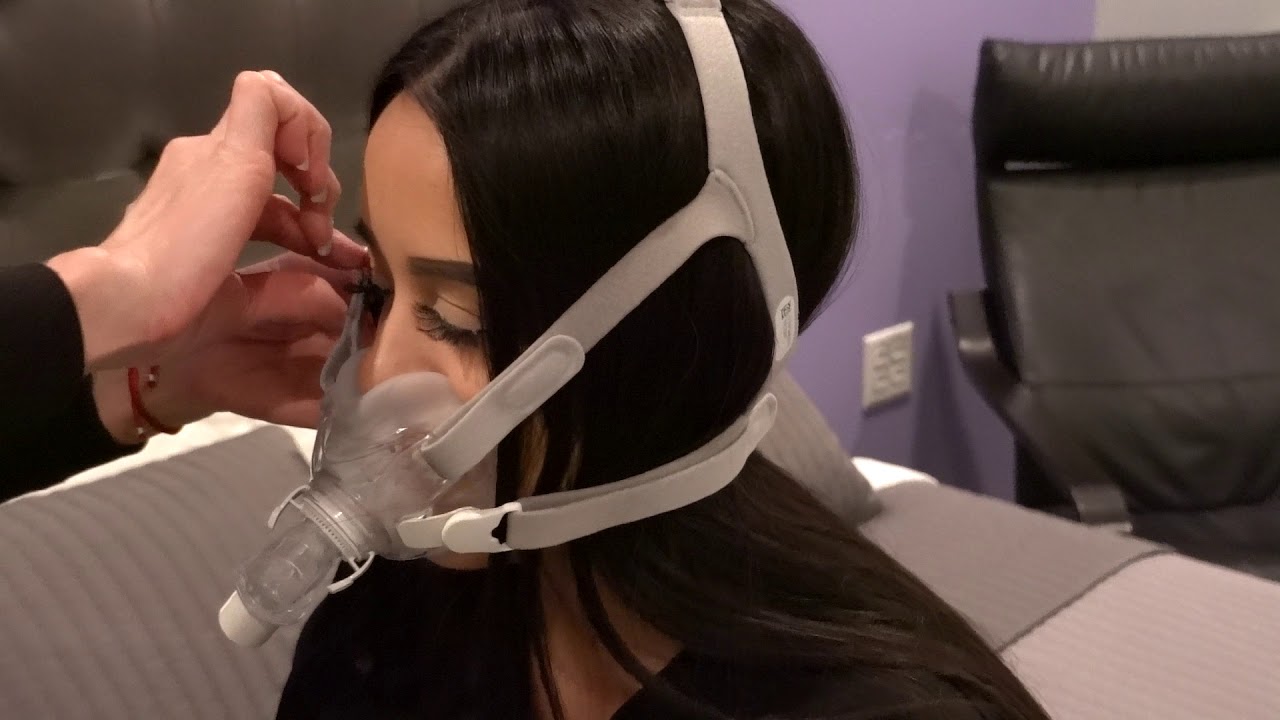
There are three common types. Nasal pillows sit at the nostrils and feel minimal, but can be uncomfortable for some at higher pressures. Nasal masks cover the nose and suit many sleepers who breathe through the nose. Full face masks cover nose and mouth and can help if they mouth-breathe or have frequent nasal blockage.
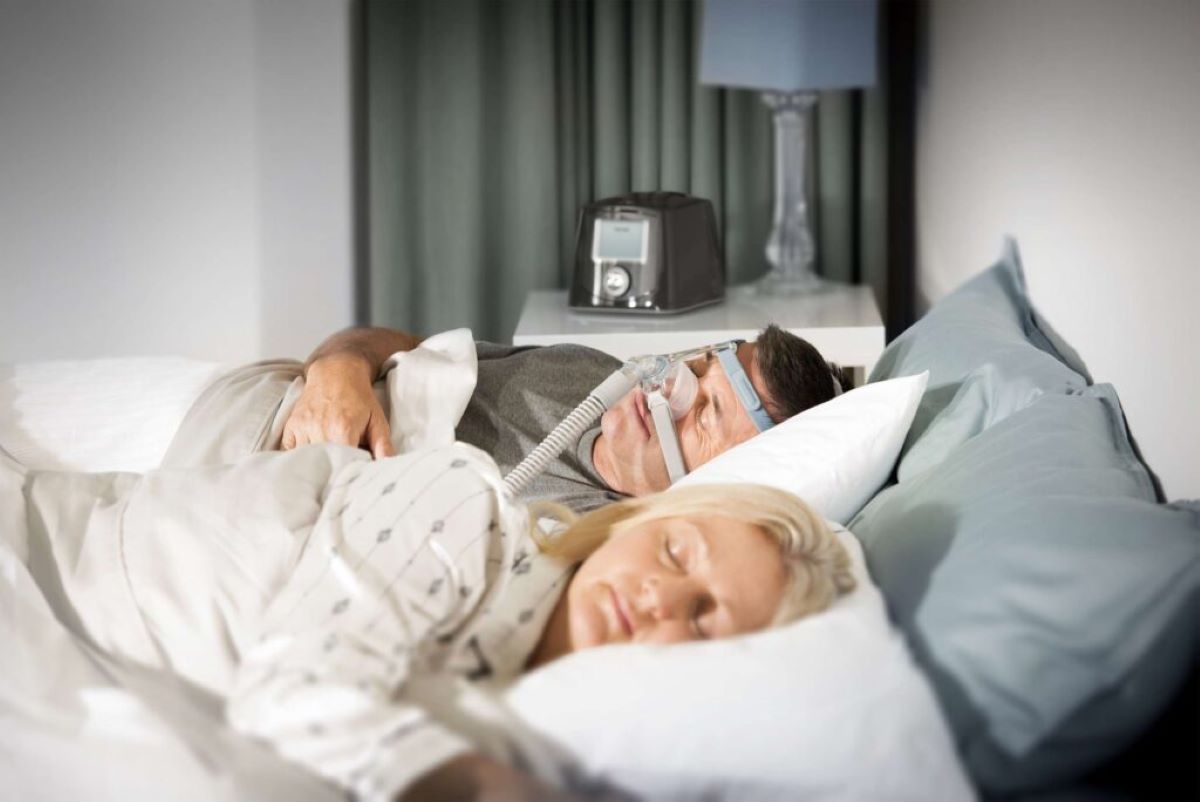
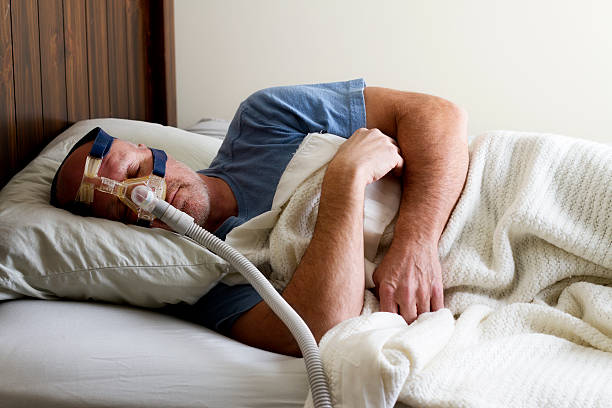
Sleep position matters too. Side sleepers often do better with lower-profile options that do not press into the pillow, while back sleepers may tolerate a wider range of frames. If they regularly change positions, a stable seal becomes more important than a tiny footprint.
How can they get the sizing and fit right before they buy?
They should treat sizing as a must-do step, not a guess. Even a good mask model will leak or cause pressure marks if the size is wrong.
Most brands provide printable sizing guides, and many Australian CPAP retailers can help measure in-store or via telehealth-style support. They should measure exactly as instructed and avoid “sizing up for comfort”, since that often increases leaks.
Fit is also about strap tension. A common mistake is over-tightening to stop leaks, which can actually worsen sealing and cause skin irritation. They should look for a mask that seals with light, even contact, then fine-tune at their typical therapy pressure while lying in their usual sleep position. For a step-by-step guide, see how to buy a CPAP machine online in Australia.
Which comfort and skin factors should they check first?
They should prioritise comfort features that reduce pressure points and skin irritation, because discomfort is one of the main reasons people stop using CPAP.
Key areas to check include the cushion material, how the frame sits on the cheekbones, and whether the mask touches the bridge of the nose. Some people react to certain silicone formulations or dislike the feel of gel-style cushions, so it helps to choose a retailer with a swap or return option.
If they have facial hair, sealing can be harder, especially with full face masks. In that case, masks designed with more adaptable cushions or nasal options may seal better. If they have sensitive skin, they may also want to plan for CPAP-friendly liners, and they should make sure the headgear does not rub behind the ears or along the jaw.
Will it work with their CPAP machine, pressure settings, and humidifier?
They should confirm compatibility with their machine and their prescribed pressure, since not every mask performs the same at different pressures.
At higher pressures, some minimal masks can feel forceful or become noisier if the seal shifts. Full face masks can be more stable for some users at higher pressures, but fit becomes even more important. They should also consider whether they use a humidifier, because dryness or congestion can push them into mouth breathing, which may change the best mask choice.
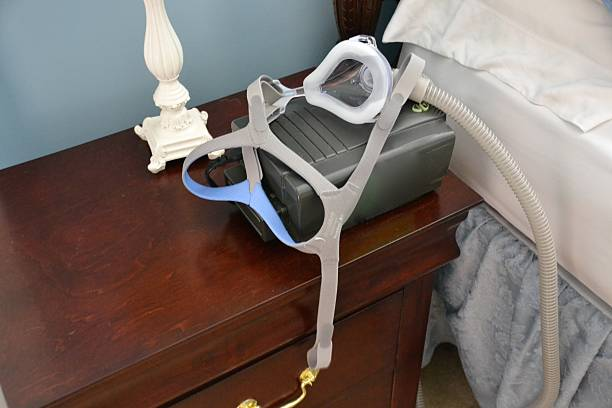
They should also check the connector type and tubing setup. Most modern masks use standard connections, but some have quick-release clips, swivel elbows, or special venting. The vent design affects perceived airflow and noise, which matters if they share a bedroom.
Other Resources : Get the sleep you need: small changes for better rest
What should they look for in Australian pricing, trials, and replacement parts?
They should factor in the long-term cost, not just the initial price. A cheaper mask can become expensive if cushions are hard to find or need frequent replacement.
In Australia, reputable suppliers often stock replacement cushions, headgear, and elbow parts, but not every model is equally supported. Before buying, they should check that the exact parts are available locally and note typical replacement intervals recommended by the manufacturer.
They should also look for a clear trial, exchange, or fit guarantee policy. Masks are personal, and it is common to need a different size or even a different style after a few nights. A retailer that supports exchanges can reduce wasted money and speed up comfort.
Finally, they should be cautious with deals that seem too good to be true, especially from marketplaces where authenticity and hygiene standards are unclear. With something worn on the face for hours nightly, reliable supply chains and sealed packaging matter.
Conclusion: what’s the simplest way for them to choose confidently?
They should start by matching mask type to breathing and sleep position, then lock in the correct size, and only then compare comfort features and local support. If they also choose an Australian seller with a fair exchange policy and easy access to replacement parts, they give themselves the best chance of sticking with therapy.
FAQs (Frequently Asked Questions)
What are the different types of CPAP masks and how do I choose one based on my breathing and sleep style?
There are three common CPAP mask types: nasal pillows, nasal masks, and full face masks. Nasal pillows sit at the nostrils and feel minimal but may be uncomfortable at higher pressures. Nasal masks cover the nose and suit many who breathe through the nose. Full face masks cover both nose and mouth, ideal for mouth breathers or those with nasal blockages. Your sleep position also matters; side sleepers often prefer lower-profile masks that don’t press into the pillow, while back sleepers can tolerate a wider range of frames. If you change positions frequently, a stable seal is more important than mask size.
How can I ensure I get the correct sizing and fit for my CPAP mask before purchasing?
Sizing is crucial to prevent leaks and pressure marks. Most brands offer printable sizing guides, and many Australian CPAP retailers provide in-store or telehealth-style measuring support. Measure exactly as instructed and avoid sizing up for comfort, as this can increase leaks. Fit also involves strap tension—avoid over-tightening as it can worsen sealing and cause skin irritation. Aim for a mask that seals with light, even contact, then fine-tune while lying in your usual sleep position at your typical therapy pressure.
What comfort and skin factors should I consider when selecting a CPAP mask?
Prioritise features that reduce pressure points and skin irritation to improve comfort and adherence to therapy. Check cushion material, how the frame sits on your cheekbones, and whether it touches the bridge of your nose. Some people react to certain silicone types or dislike gel cushions; choosing a retailer with swap or return options helps. Facial hair can affect sealing, especially with full face masks; adaptable cushions or nasal options may work better. For sensitive skin, consider CPAP-friendly liners and ensure headgear doesn’t rub behind ears or along the jaw.
Will my chosen CPAP mask work with my machine, pressure settings, and humidifier?
Confirm compatibility with your CPAP machine and prescribed pressure settings since not all masks perform equally at different pressures. Minimal masks may feel forceful or noisy at higher pressures if seals shift; full face masks can be more stable but require proper fit. If you use a humidifier, dryness or congestion might cause mouth breathing, affecting mask choice. Also check connector type and tubing setup—modern masks usually have standard connections but some feature quick-release clips or special venting that affects airflow noise, important if sharing a bedroom.
What should I consider regarding Australian pricing, trials, and replacement parts for CPAP masks?
Consider long-term costs beyond initial price; cheaper masks may become costly if cushions are hard to find or require frequent replacement. Reputable Australian suppliers typically stock replacement cushions, headgear, and elbows but support varies by model. Verify local availability of exact parts and manufacturer-recommended replacement intervals before buying. Look for clear trial, exchange, or fit guarantee policies since mask preferences often change after use. Be cautious of deals that seem too good to be true from marketplaces lacking authenticity and hygiene assurances—sealed packaging and reliable supply chains matter for nightly facial wear.
What is the simplest way to confidently choose the right CPAP mask in Australia?
Start by matching the mask type to your breathing pattern and sleep position to maximise comfort and leak control. Next, ensure correct sizing using guides or professional measurement services. Then compare comfort features alongside local support options like trial policies and availability of replacement parts from Australian sellers. Choosing a retailer with fair exchange policies and easy access to spares gives you the best chance of sticking with effective therapy long-term.