This guide walks through the key decisions in the right order, so they avoid common and expensive mistakes.
Do they need a prescription to buy a CPAP machine in Australia?
In practice, many online stores will ask for a prescription or sleep study report when customers choose to buy CPAP machine online, especially for certain CPAP devices or if they are claiming health fund rebates. Even when a store does not require it at checkout, they still need clinically appropriate pressure settings to use the machine safely and comfortably.
If they have not been diagnosed, they should start with a GP referral and a sleep study. If they already have results, they should keep a copy ready to upload or email.
What type of CPAP machine should they choose?
Most people buy an APAP (auto-adjusting CPAP) because it changes pressure throughout the night to match their needs. Fixed-pressure CPAP is usually chosen when a clinician has determined a specific pressure that works well and should not vary.
BiLevel devices are typically for more complex cases and are often clinician-led choices. If they are unsure, an APAP is usually the safest general starting point for typical obstructive sleep apnoea, as long as it can be configured correctly.
Which features matter most when buying online?
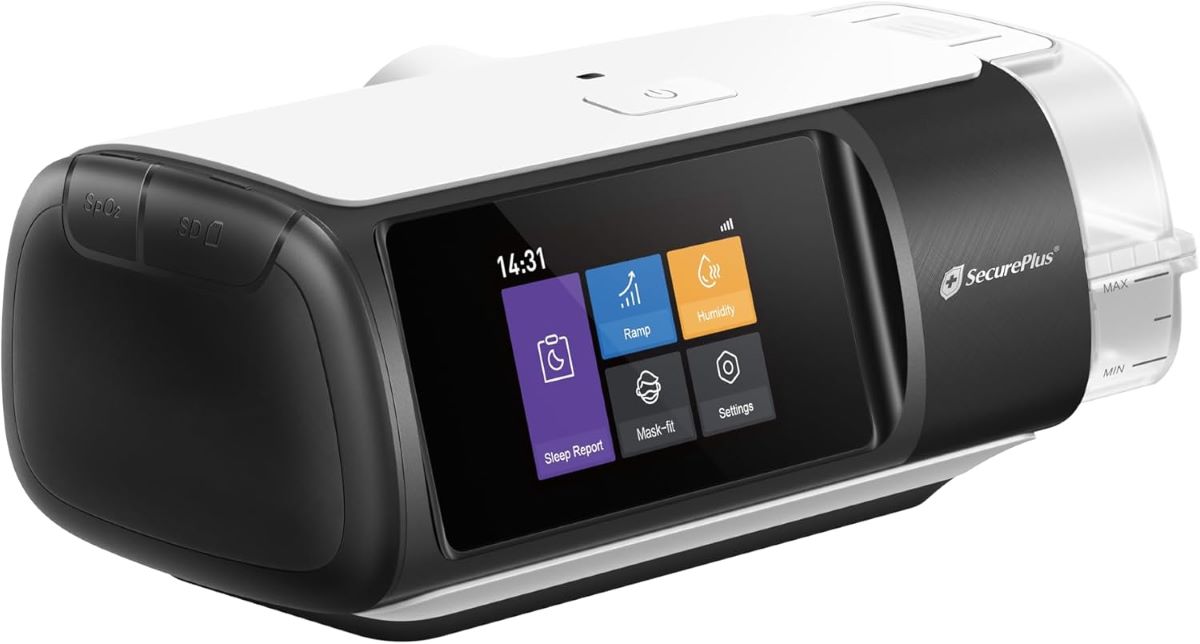
The features that matter are the ones that affect comfort, tracking, and long-term use. The biggest comfort feature is heated humidification, especially for dry mouth, nasal dryness, or winter use.
They should also check for exhalation relief (different brands use different names), a ramp function, and a quiet motor rating. For tracking, basic compliance and AHI reporting is useful, but they should not overpay for app features they will never use.
How do they know which mask to buy?
Mask choice is where most first-time buyers go wrong, because the “best” mask is personal. Nasal masks and nasal pillows suit people who breathe through the nose and want a lighter feel, while full-face masks suit mouth breathers or anyone with frequent nasal congestion.
They should measure using the manufacturer’s sizing guide, not guess based on photos. If they are between sizes, they should prioritise a retailer with easy mask exchange options, because fit problems are common in the first two weeks.
Should they buy a CPAP bundle or build a setup piece by piece?
A bundle is usually simpler and often cheaper, as it includes the machine, humidifier, tubing, filters, and sometimes a mask. It also reduces compatibility mistakes, like buying the wrong heated tube type.
Building a setup piece by piece can make sense if they already have a mask they love, or if they want a specific accessory. Either way, they should confirm exactly what is included, as some listings exclude humidifiers or masks by default.
How can they tell if an online seller is reputable?
A reputable seller is transparent about warranties, returns, and after-sales support. They clearly list Australian warranty terms, provide an ABN and local contact details, and use secure checkout.
They should be cautious with “too cheap” prices, unclear model numbers, or listings that do not specify whether the device is Australian stock. If they are importing, they may face limited warranty coverage and slower support, even if the upfront price looks better.
What should they check about warranty, returns, and trials?
They should look for an Australian warranty period and confirm who handles warranty claims: the retailer, an Australian distributor, or the manufacturer. Returns are usually limited for hygiene reasons, especially for masks, but many stores offer a mask-fit exchange window or a one-time swap.
They should read the fine print on shipping costs for returns, restocking fees, and what counts as “unused”. A good policy makes early adjustments less stressful, which improves the odds they will actually stick with treatment.
Will private health insurance rebates apply if they buy online?
Some Australian health funds provide rebates for CPAP equipment under extras, but requirements vary. They may need a diagnosis, a prescription, and a tax invoice with specific item details.
Before purchasing, they should call their fund and ask what documentation is required and whether the supplier must be an approved provider. Buying the wrong way can mean missing a rebate they expected. Check out more about Private Health Insurance Report.
What information should they have ready before ordering?
They should have their sleep study results or prescription, preferred mask type, and a basic idea of comfort needs such as humidification. It also helps to know if they sleep on their side, have facial hair, or often breathe through their mouth, as those factors affect mask choice.
They should also confirm power needs if they travel, and whether they want a travel-friendly device or a standard bedside unit.
What are the most common mistakes to avoid?
The biggest mistake is buying a machine first and treating the mask as an afterthought. The second is choosing the cheapest option without checking warranty support, returns, or whether it is Australian stock.
They should also avoid guessing mask size, ignoring humidification when dryness is likely, and skipping setup help if they are new. A CPAP purchase is not just a product order; it is the start of a therapy routine that needs to feel comfortable quickly.
How can they set themselves up for success after the delivery arrives?
They should plan to spend the first week adjusting, not judging. They can start with a comfortable ramp, ensure the mask is not over-tightened, and review basic data like leak rate and AHI to spot obvious issues.
If they struggle, they should contact the seller or a clinician early rather than pushing through discomfort. Small fixes like mask sizing, humidity level, or pressure range tweaks often make the difference between quitting and sleeping better.
What is the simplest buying checklist they can follow?
They can keep it simple by following a short checklist:
- Confirm diagnosis and prescription details are available
- Choose APAP unless advised otherwise
- Prioritise heated humidification and comfort settings
- Pick a mask type based on breathing and congestion
- Buy from a seller with Australian warranty and support
- Check returns or mask exchange terms before paying
- Confirm health fund paperwork requirements
If they follow that list, buying a CPAP machine online in Australia becomes a low-risk decision with a much better chance of long-term success.
Related : 5 Things to Consider Before Buying a CPAP Mask in Australia
FAQs (Frequently Asked Questions)
Do I need a prescription to buy a CPAP machine online in Australia?
While some online stores may not require a prescription at checkout, many do ask for a prescription or sleep study report, especially for certain CPAP devices or if claiming health fund rebates. Clinically appropriate pressure settings are essential for safe and comfortable use. If you haven’t been diagnosed, start with a GP referral and sleep study.
Which type of CPAP machine is best for me?
Most people opt for an APAP (auto-adjusting CPAP), as it adjusts pressure throughout the night to meet your needs. Fixed-pressure CPAP is suitable when a clinician has prescribed a specific setting. BiLevel devices are generally for complex cases and clinician-led choices. If unsure, an APAP is usually the safest general starting point for typical obstructive sleep apnoea.
What features should I prioritise when buying a CPAP machine online?
Focus on features that enhance comfort, tracking, and long-term use. Heated humidification is key, especially if you experience dry mouth or nasal dryness. Also consider exhalation relief, ramp functions, and quiet motor ratings. Basic compliance and AHI reporting are useful; avoid overpaying for app features you won’t use.
How do I choose the right mask for my CPAP machine?
Mask choice is personal and crucial. Nasal masks or nasal pillows suit nose breathers seeking a lighter feel, while full-face masks are better for mouth breathers or those with frequent nasal congestion. Use the manufacturer’s sizing guide rather than guessing by photos. If between sizes, buy from retailers offering easy mask exchanges since fit issues are common initially.
Should I buy a CPAP bundle or assemble my setup piece by piece?
Bundles often simplify the process and can be cheaper by including the machine, humidifier, tubing, filters, and sometimes a mask—reducing compatibility errors. Building your setup piece by piece makes sense if you already have a preferred mask or want specific accessories. Always confirm what’s included to avoid missing components like humidifiers or masks.
How can I ensure I’m buying from a reputable online CPAP seller in Australia?
Look for transparency about warranties, returns, and after-sales support. Reputable sellers provide clear Australian warranty terms, an ABN, local contact details, and secure checkout options. Be cautious of unusually low prices, unclear model numbers, or listings that don’t specify Australian stock status. Imported devices may have limited warranty coverage and slower support despite lower upfront costs.