
This guide covers the key symptoms people should not brush off, who is most at risk, and what a sleep test in Canberra usually involves.
What is sleep apnoea, and why does it matter?
A sleep apnoea test Canberra diagnoses the disorder where breathing repeatedly stops and starts during sleep. These interruptions lower oxygen levels and disrupt sleep, even without full wakefulness. Untreated, sleep apnoea can lead to serious health issues and significantly affect daily life, causing fatigue, poor concentration, and mood changes.
Which symptoms should they not ignore?
They should not ignore symptoms that suggest repeated breathing disruption and poor-quality sleep. The clearest red flags are loud snoring with pauses, choking or gasping during sleep, and persistent daytime sleepiness.
Common symptoms include:
- Loud, habitual snoring (especially if it is worsening)
- Witnessed pauses in breathing, or irregular breathing patterns
- Gasping, choking, or snorting awake
- Waking with a dry mouth or sore throat
- Morning headaches or a “hungover” feeling without alcohol
- Unrefreshing sleep, even after a full night in bed
- Excessive daytime sleepiness, dozing off unintentionally
- Poor concentration, brain fog, or memory issues
- Irritability, low mood, or anxiety
- Needing frequent naps to function
- Night-time urination (waking to pee more than usual)
How can they tell if snoring is “normal” or a warning sign?
Snoring becomes more concerning when it is loud, frequent, and paired with breathing pauses or daytime symptoms. If someone regularly snores and their partner notices silence followed by gasps, that pattern strongly suggests obstructive sleep apnoea rather than simple snoring. If they feel tired despite adequate time in bed, that is another sign the snoring is not harmless.
Who is most at risk in Canberra?
Anyone can develop sleep apnoea, but some factors make it more likely. Risk tends to rise with age, weight gain, and anatomical features that narrow the airway.
People at higher risk often include those who:
- Are overweight or have recently gained weight
- Have a thick neck or a smaller airway structure
- Have nasal congestion or chronic blockage
- Drink alcohol in the evening, or use sedative medications
- Sleep mostly on their back
- Have a family history of sleep apnoea
- Are going through hormonal changes (including menopause)
- Have certain jaw, tongue, or throat features that reduce airway space
What happens during a sleep apnoea test in Canberra?
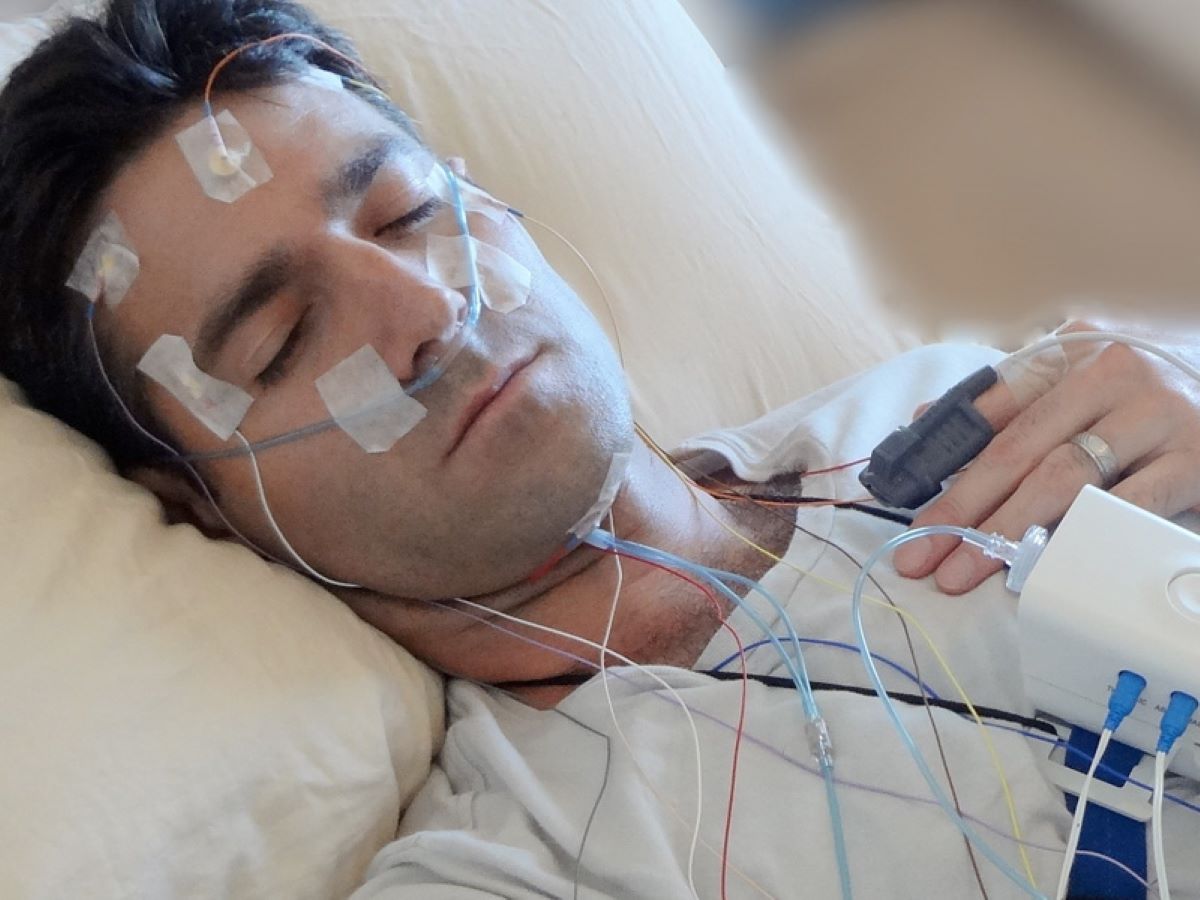
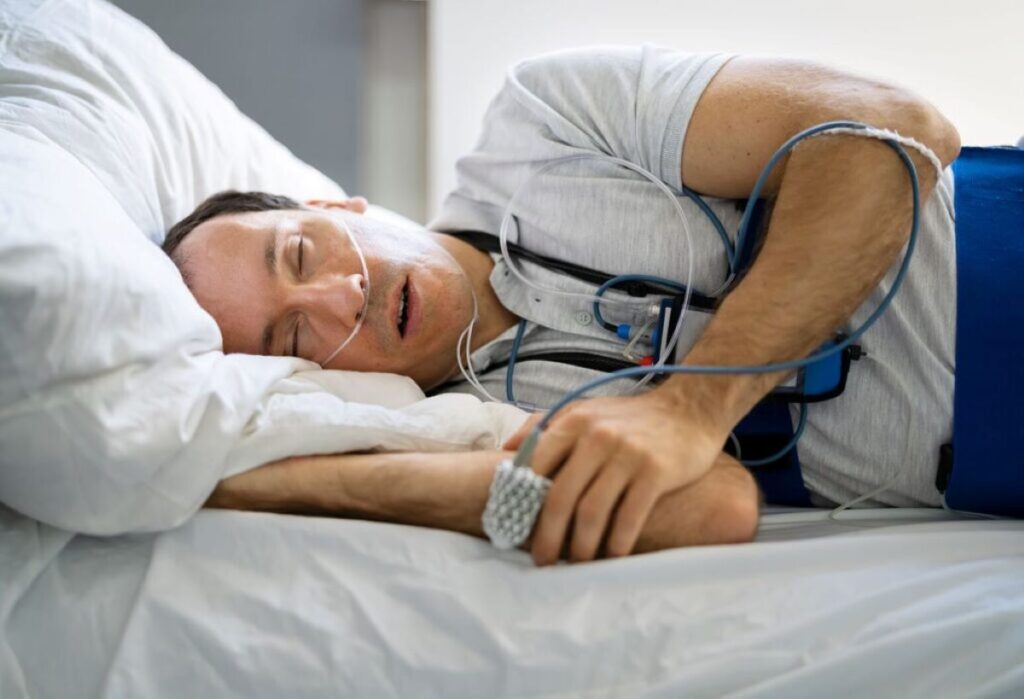
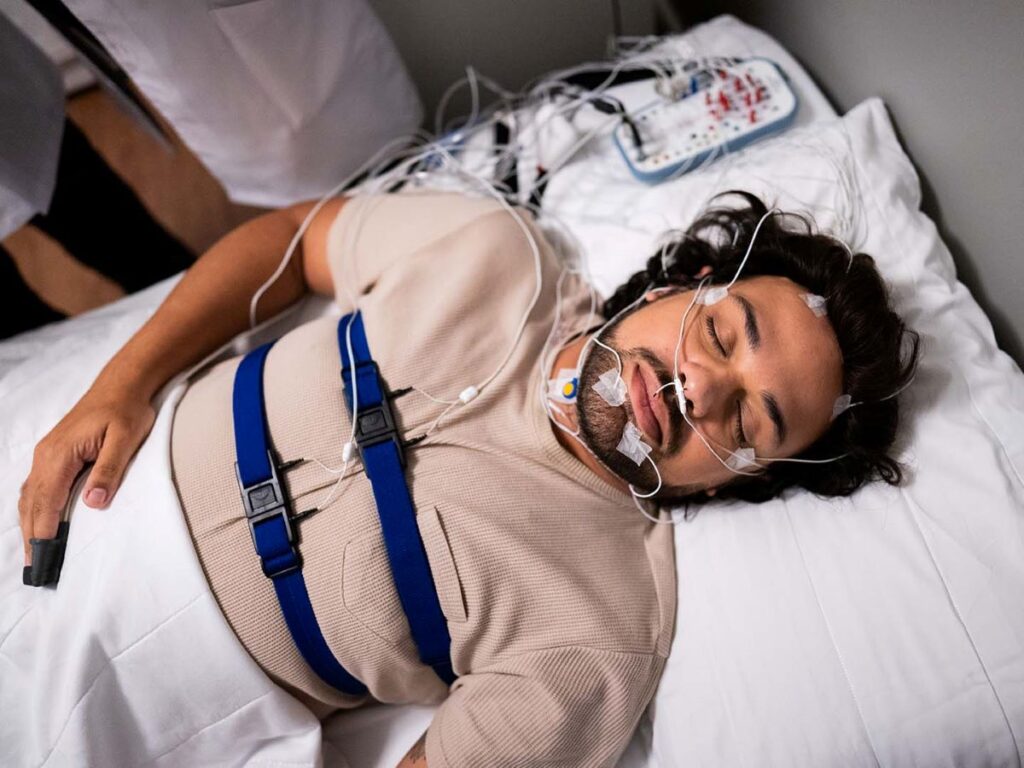
A sleep apnoea test measures breathing, oxygen levels, and sleep-related patterns to detect pauses and disruptions. In Canberra, many people start with a home sleep apnoea test, where they take a small device home for the night. Others may need an in-lab sleep study if the situation is complex or if initial results are unclear.
A typical test may track:
- Airflow through the nose and mouth
- Oxygen saturation
- Breathing effort
- Heart rate
- Body position and snoring
- Sleep stages (more commonly in lab-based studies)
The results help clinicians confirm whether sleep apnoea is present and how severe it is. You may like to visit https://www.racgp.org.au/clinical-resources/clinical-guidelines/handi/handi-interventions/device/mandibular-devices-for-obstructive-sleep-apnoea to get more about Mandibular devices for obstructive sleep apnoea.
When should they book a test rather than “wait and see”?
They should book a test when symptoms are persistent, worsening, or affecting safety and daily functioning. “Waiting and seeing” is risky if they are dozing off at work, feeling unsafe while driving, or if someone has witnessed breathing pauses.
They should consider arranging a sleep apnoea test if:
- Breathing pauses or gasping are observed at night
- Daytime sleepiness is frequent or severe
- Snoring is loud and regular, especially with morning headaches
- They have high blood pressure or heart-related concerns alongside fatigue
- They are waking repeatedly and cannot explain why
- Their quality of life is dropping due to tiredness or poor mood
Why is daytime sleepiness a bigger deal than they think?
Daytime sleepiness is not just inconvenient. It can increase the risk of accidents, reduce productivity, and affect judgement, reaction time, and emotional regulation. Someone might believe they are “coping” because they keep pushing through, but microsleeps and lapses in attention can happen without warning, particularly during driving or long meetings.
Could their symptoms be something else?
Yes, and that is another reason testing helps. Symptoms like fatigue and headaches can come from many causes, including insomnia, restless legs, depression, thyroid issues, or iron deficiency. A sleep test does not just label the problem; it narrows down what is actually happening overnight and helps prevent guesswork.
What should they do before booking a sleep apnoea test in Canberra?
They should start by documenting symptoms and patterns to make the consultation more efficient. Even brief notes can be useful, especially if a partner can describe snoring, gasping, or breathing pauses.
Helpful preparation includes:
- Noting how often they wake at night and how they feel in the morning
- Recording daytime sleepiness, naps, and any near-miss driving incidents
- Listing medications, alcohol intake, and nasal congestion issues
- Asking a partner what they observe during sleep
- Completing any screening questionnaires their clinician provides
What treatments might follow if sleep apnoea is confirmed?
Treatment depends on severity and the person’s needs, but most plans aim to keep the airway open and improve sleep quality. Many people benefit from CPAP therapy, while others may be suited to oral appliances or targeted lifestyle changes.
Common options include:
- CPAP (continuous positive airway pressure)
- Oral appliance therapy (a custom mouthguard-style device)
- Weight management support, if relevant
- Positional therapy (reducing back-sleeping)
- Managing nasal obstruction or allergies
- Reviewing alcohol intake and sedating medications with a clinician
- In selected cases, surgical interventions
What is the simplest takeaway for anyone concerned?
If they are snoring loudly, waking unrefreshed, or being told they stop breathing during sleep, it is not something to dismiss. A sleep apnoea test in Canberra is a practical next step that can turn vague, dragging fatigue into a clear diagnosis and a plan that actually improves how they feel day to day.
Related : Sleep Apnea Test Brisbane: How to Get Diagnosed Faster
FAQs (Frequently Asked Questions)
What is sleep apnoea and why is it important to recognise?
Sleep apnoea is a disorder characterised by repeated stops and starts in breathing during sleep, leading to reduced oxygen levels and fragmented sleep. Recognising it is crucial because untreated sleep apnoea can increase the risk of serious health problems and cause daytime exhaustion, poor concentration, and mood disturbances.
What symptoms should prompt someone in Canberra to consider a sleep apnoea test?
Key symptoms include loud, habitual snoring with pauses; choking or gasping during sleep; waking unrefreshed; excessive daytime sleepiness; morning headaches; poor concentration or irritability; frequent naps; and night-time urination. These signs suggest disrupted breathing during sleep that warrants further investigation.
Who is most at risk of developing sleep apnoea in Canberra?
Individuals at higher risk often include those who are overweight or have recently gained weight, have a thick neck or smaller airway, experience nasal congestion, consume alcohol or sedatives in the evening, predominantly sleep on their back, have a family history of sleep apnoea, are undergoing hormonal changes such as menopause, or possess certain jaw or throat features that narrow the airway.
What does a typical sleep apnoea test involve in Canberra?
Many people start with a home sleep apnoea test using a small device that monitors airflow, oxygen saturation, breathing effort, heart rate, body position, and snoring overnight. In more complex cases or unclear results, an in-lab study may be conducted which also assesses sleep stages. These tests help confirm the presence and severity of sleep apnoea.
When should someone stop ‘waiting and seeing’ and book a sleep apnoea test?
Booking a test is advised if symptoms like loud snoring with observed breathing pauses, frequent severe daytime sleepiness, morning headaches linked to snoring, high blood pressure alongside fatigue, unexplained repeated night awakenings, or declining quality of life due to tiredness persist or worsen. Immediate testing is important especially if safety concerns arise from dozing off at work or while driving.
Why is excessive daytime sleepiness related to sleep apnoea more serious than it seems?
Daytime sleepiness can significantly increase risks of accidents due to lapses in attention or microsleeps without warning. It impairs productivity, judgement, reaction times and emotional regulation. Even if someone feels they are coping by pushing through tiredness, underlying untreated sleep apnoea can pose serious safety hazards and diminish overall wellbeing.