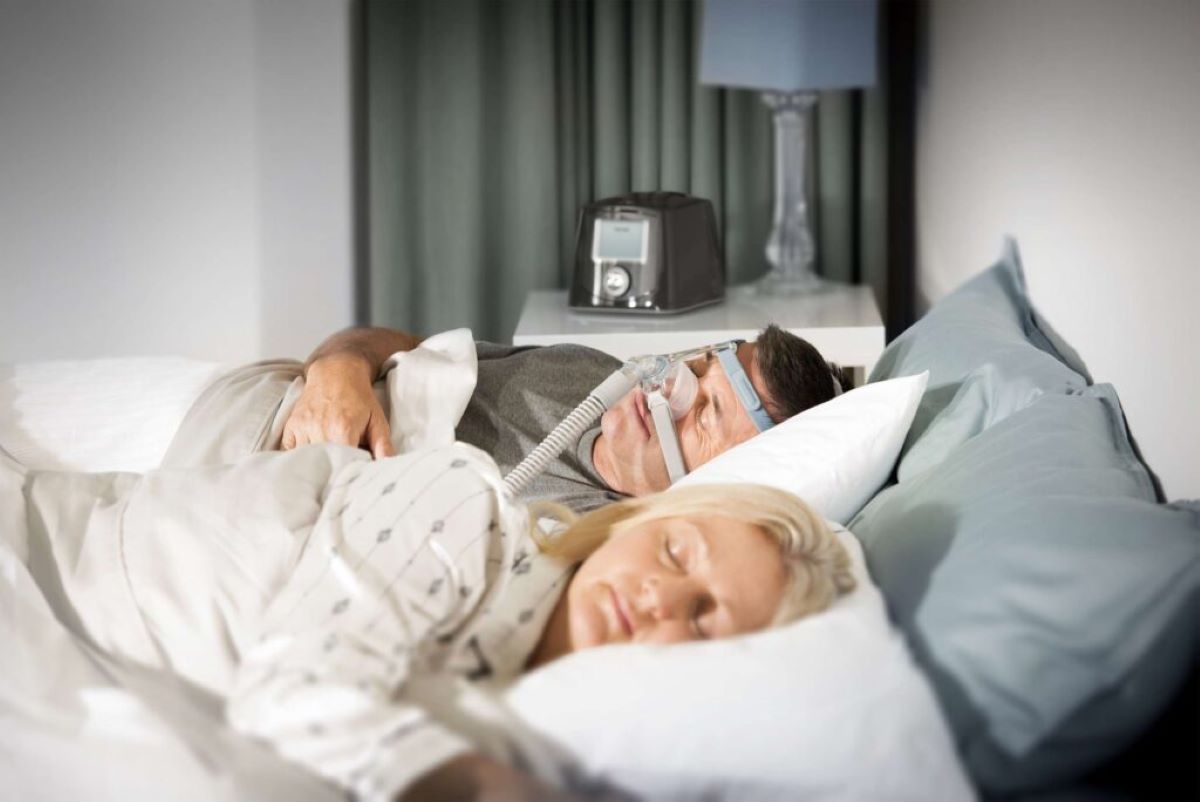
Sleep Apnea Test Brisbane: How to Get Diagnosed Faster

Sleep Apnea Test Brisbane

The good news is that diagnosis does not have to take months. With the right pathway, most people can move from suspicion to testing to treatment quickly, and often without an overnight hospital stay.

What is a sleep apnoea test, and what does it diagnose?

A sleep apnoea test Brisbane measures breathing patterns, oxygen levels, and sleep activity to determine if someone has obstructive sleep apnoea (OSA) or another sleep-related breathing disorder. The test also assesses the severity of the condition, which helps guide treatment decisions.

The test typically looks for repeated breathing pauses (apnoeas) and partial blockages (hypopnoeas). The key outcome is an AHI (Apnoea-Hypopnoea Index) or REI (Respiratory Event Index), which indicates the number of events per hour.

Who in Brisbane should consider getting tested sooner rather than later?

Anyone with loud habitual snoring, witnessed pauses in breathing, gasping during sleep, or persistent daytime sleepiness should consider testing promptly. They are especially likely to benefit if symptoms affect work, driving, mood, or blood pressure.

Brisbane patients often speed up diagnosis by acting on “risk clusters” like obesity, large neck circumference, nasal blockage, alcohol use at night, and a family history of OSA.

How can someone in Brisbane get diagnosed faster without cutting corners?

They can move faster by choosing the shortest safe pathway: a screening consult, the right test type, and rapid follow-up for results and treatment. The biggest delays usually come from waiting for the wrong appointment or repeating tests that do not match the situation.

In practice, this means being clear about symptoms, asking about home testing eligibility, and booking follow-up at the same time as the test.

What are the fastest test options available in Brisbane?

The fastest option for many adults is a home sleep apnoea test (HSAT), also called a level 3 study. It is typically picked up or delivered, used overnight at home, then returned for scoring.

An in-lab polysomnography (PSG) is more comprehensive and is often used when symptoms are complex, when other sleep disorders are suspected, or when earlier testing is inconclusive. It can be faster in urgent cases, but availability varies.

When is a home sleep test appropriate, and when is a lab study better?

A home sleep test is often appropriate for adults with a high likelihood of moderate to severe obstructive sleep apnoea and no major complicating conditions. It is usually the quickest route to a clear diagnosis.

A lab study is generally better if they have significant heart or lung disease, possible central sleep apnoea, suspected parasomnias, severe insomnia, neuromuscular conditions, or if a home test comes back negative despite strong symptoms.

How do referrals work in Brisbane, and do they always need a GP?

Many Brisbane services accept GP referrals, and a referral can help with Medicare rebates or private health processing where applicable. It also creates a clearer clinical record, which can speed up treatment decisions.

Some clinics also offer direct access pathways where they triage symptoms first, then advise whether a referral is needed. If they want the fastest route, they should ask the clinic what paperwork is required before booking.

What information should they bring to their first appointment to avoid delays?

They should bring a short symptom timeline, partner observations, medication list, and relevant medical history such as hypertension, diabetes, atrial fibrillation, reflux, asthma, or nasal obstruction. This helps the clinician choose the correct test the first time.

It also helps to note lifestyle factors that affect sleep, including alcohol intake, shift work, sedatives, and typical sleep schedule. Clear details reduce back-and-forth and repeat consultations.
Sleep Apnea Test Brisbane

What happens during a home sleep apnoea test?

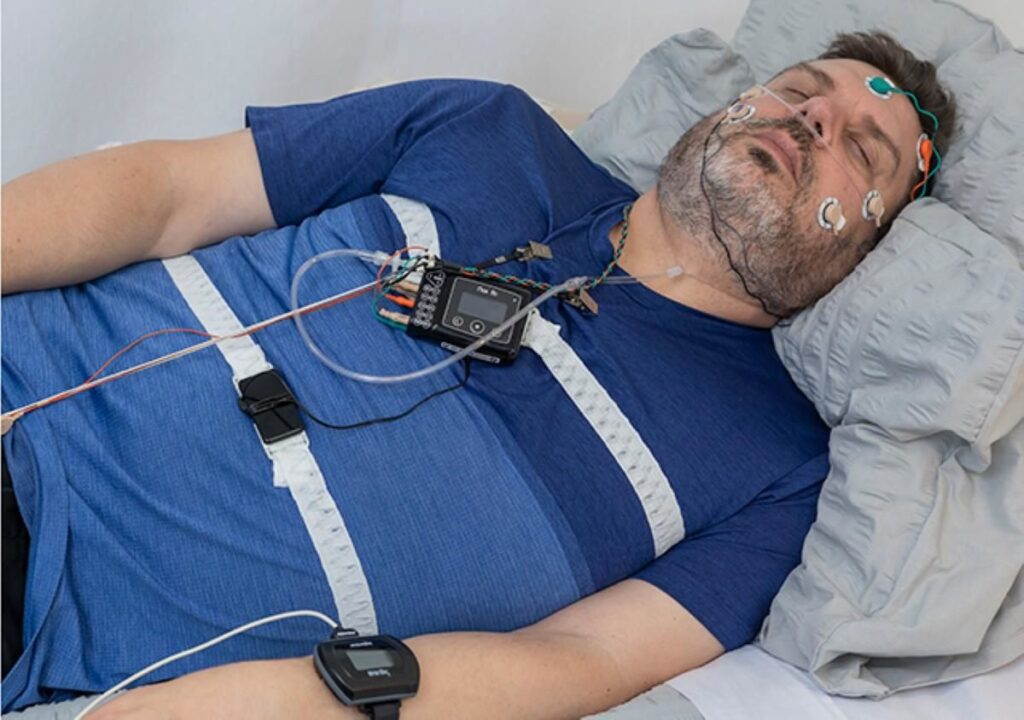
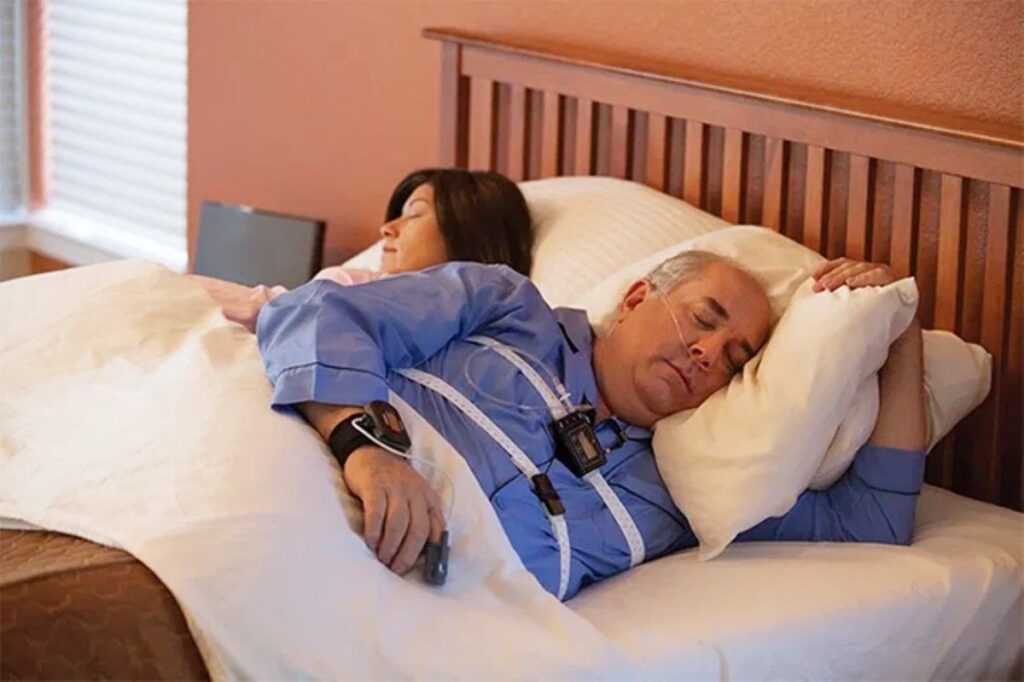
They usually collect a small kit with sensors for airflow, breathing effort, oxygen saturation, and sometimes body position. They apply it before bed, sleep as normal, then return the device the next day.

Because it is done in their own bed, many people sleep more naturally. If sensors slip overnight, the clinic may ask them to repeat the study, so careful set-up matters.

How quickly can results come back, and what slows them down?

Results can be available within a few days, depending on clinic workload and whether manual scoring is required. The fastest services schedule the results consultation in advance, so they do not wait again after the report is ready.

Delays commonly come from incomplete data, missed returns of equipment, and waiting for the next available specialist appointment. Booking the follow-up early is often the single biggest time-saver.

What should they do if the test is negative but symptoms are strong?

They should not assume nothing is wrong. A negative home study can happen if they slept poorly, if events were positional, or if a different sleep disorder is present.

In that case, the next step is often an in-lab polysomnography or a repeat study with adjustments. The fastest approach is to book a review appointment immediately to interpret the result in context.

What are the next steps after diagnosis, and how can they start treatment faster?

They can usually start treatment quickly once severity and type are confirmed. For obstructive sleep apnoea, options include CPAP therapy, mandibular advancement splints, positional therapy, weight management, and addressing nasal obstruction.

Speed improves when they ask for a same-week CPAP trial or set-up if recommended, and when they request a clear plan for mask fitting, pressure settings, and follow-up support. Click here to get more about sleep apnea test Canberra: symptoms you shouldn’t ignore.

How can they make the process smoother if driving safety or work performance is affected?

They should mention safety-critical symptoms early, especially if they have near-misses while driving or extreme sleepiness at work. Clinics can sometimes prioritise testing or recommend interim measures while waiting.

They can also reduce risk immediately by avoiding alcohol at night, keeping a consistent sleep schedule, sleeping on their side, and not driving when sleepy. These steps are not a substitute for diagnosis, but they can help while the system catches up.
Sleep Apnea Test Brisbane

What is the quickest checklist for getting a sleep apnoea test in Brisbane?

They can move faster by following a simple sequence and booking proactively. Most delays are administrative, not medical.

Fast-track checklist:

  • Write down symptoms, duration, and partner observations.
  • Contact a Brisbane sleep clinic and ask if they qualify for a home sleep test.
  • Confirm whether a GP referral is needed for rebates or booking.
  • Book the test and the results appointment at the same time.
  • Follow set-up instructions carefully to avoid a failed recording.
  • Ask about immediate treatment pathways if OSA is confirmed.

FAQs (Frequently Asked Questions)

What is a sleep apnoea test and what conditions does it diagnose?

A sleep apnoea test measures breathing patterns, oxygen levels, and sleep stages to diagnose obstructive sleep apnoea (OSA) or other sleep-related breathing disorders. It identifies repeated pauses in breathing (apnoeas) and partial airway blockages (hypopnoeas), providing an AHI or REI score that helps determine the severity and guides treatment options.

Who in Brisbane should consider getting a sleep apnoea test promptly?

Individuals experiencing loud habitual snoring, witnessed breathing pauses during sleep, gasping episodes, or persistent daytime fatigue should consider testing soon. Those with risk factors like obesity, large neck circumference, nasal blockage, nighttime alcohol use, or a family history of OSA are especially encouraged to seek assessment to prevent impacts on work, driving safety, mood, and blood pressure.

How can someone in Brisbane get diagnosed with sleep apnoea quickly without compromising quality?

To expedite diagnosis safely, patients should choose the shortest effective pathway: start with a screening consultation, select the appropriate test type (often a home sleep apnoea test), and schedule rapid follow-up appointments for results and treatment planning. Being clear about symptoms and eligibility for home testing while booking follow-ups simultaneously helps avoid unnecessary delays or repeat testing.

What are the fastest sleep apnoea testing options available in Brisbane?

The quickest option for many adults is a home sleep apnoea test (HSAT), also known as a level 3 study. This involves using portable sensors overnight at home and returning the device for scoring. In-lab polysomnography (PSG) is more comprehensive and used when symptoms are complex or other disorders are suspected; while sometimes faster for urgent cases, its availability varies.

When is a home sleep test suitable compared to an in-lab polysomnography?

Home sleep tests are appropriate for adults likely to have moderate to severe obstructive sleep apnoea without significant complicating health issues. They offer the quickest route to diagnosis. Conversely, in-lab studies are preferred if there are serious heart or lung conditions, suspected central sleep apnoea, parasomnias, severe insomnia, neuromuscular diseases, or if initial home testing is negative despite strong symptoms.

How do referrals work for sleep apnoea testing in Brisbane—do you always need a GP referral?

Many Brisbane clinics accept GP referrals which can assist with Medicare rebates and private health claims while creating clear clinical records that speed treatment decisions. However, some clinics provide direct access pathways by triaging symptoms first to determine if a referral is necessary. Patients seeking the fastest route should check with their chosen clinic regarding required paperwork before booking appointments.
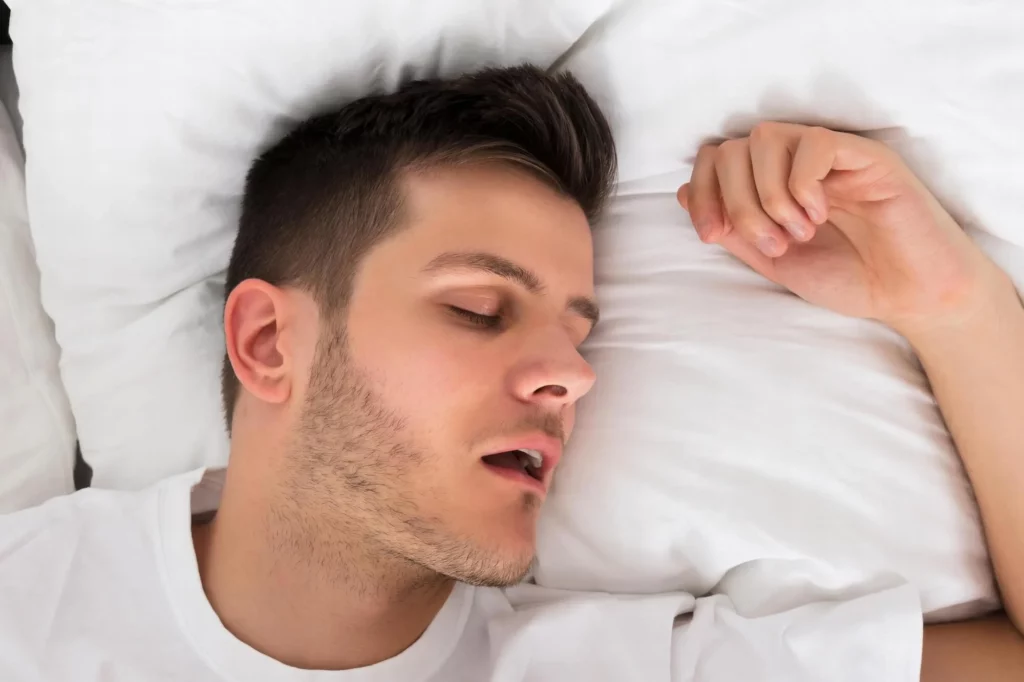
Sleep Apnea Test Brisbane: Signs You Shouldn’t Ignore

Sleep Apnea

Sleep apnea is a serious sleep disorder that affects many Australians, often without them even realising it. Characterised by repeated interruptions in breathing during sleep, this condition can lead to various health complications if left untreated. In Brisbane, understanding the signs of sleep apnea and seeking appropriate testing is crucial for maintaining overall health and well-being. This article will explore the key indicators of sleep apnea, the importance of diagnosis, and the testing options available in Brisbane.

Understanding Sleep Apnea

Sleep apnea occurs when a person’s breathing is disrupted during sleep, leading to a decrease in oxygen levels in the blood. There are three main types of sleep apnea: obstructive sleep apnea (OSA), central sleep apnea (CSA), and complex sleep apnea syndrome. Among these, OSA is the most prevalent, often caused by the relaxation of throat muscles during sleep, which blocks the airway.

Sleep Apnea Test Brisbane

Sleep apnea is a condition that should not be taken lightly. Recognising the signs and symptoms early can lead to timely diagnosis and treatment and sleep apnea test Brisbane, significantly improving quality of life. Individuals in Brisbane experiencing excessive daytime sleepiness, morning headaches, or changes in mood should not hesitate to seek professional help.

Recognising the signs of sleep apnea is essential for early intervention. Many individuals may dismiss their symptoms as mere fatigue or stress, but understanding the more serious implications of untreated sleep apnea is vital. It can lead to chronic health issues such as cardiovascular disease, diabetes, and even stroke. Furthermore, the impact of sleep apnea extends beyond physical health; it can also significantly affect mental well-being, leading to increased anxiety and a reduced quality of life.

Common Symptoms of Sleep Apnea

The symptoms of sleep apnea can vary from person to person, but there are several common indicators that should not be overlooked. These include loud snoring, gasping or choking during sleep, excessive daytime sleepiness, and difficulty concentrating. Individuals may also experience mood changes, irritability, and even depression. In some cases, partners of those affected may notice that their loved ones stop breathing for short periods during the night, a phenomenon that can be alarming and indicative of a more serious condition.

It is important to note that not everyone who snores has sleep apnea, but if snoring is accompanied by any of the aforementioned symptoms, it may warrant further investigation. Individuals who share a bed with someone who snores should encourage them to seek medical advice if they observe any signs of breathing difficulties during sleep. Additionally, keeping a sleep diary can be beneficial; recording sleep patterns, duration, and any disturbances can provide valuable information for healthcare professionals when assessing the situation.

Learn more on: Home Sleep Study Brisbane: What Are the Benefits

Risk Factors for Sleep Apnea

Several risk factors can increase the likelihood of developing sleep apnea. These include obesity, age, gender, and family history. Men are generally more likely to develop sleep apnea than women, although the risk for women increases after menopause. Lifestyle factors such as smoking and alcohol consumption can also contribute to the severity of the condition. Interestingly, certain ethnic groups, such as those of African, Hispanic, or Pacific Islander descent, may also have a higher predisposition to sleep apnea, highlighting the importance of cultural and genetic factors in understanding this disorder.

Understanding these risk factors can help individuals assess their own likelihood of experiencing sleep apnea. Those who fall into multiple risk categories should be particularly vigilant about monitoring their sleep patterns and overall health. Regular check-ups with healthcare providers can facilitate early detection and management of sleep apnea, potentially leading to lifestyle changes that improve overall health and well-being. Furthermore, engaging in regular physical activity and maintaining a balanced diet can significantly reduce the risk of developing this condition, promoting not only better sleep but also enhanced quality of life. Learn more about management on https://hsa.edu.pk/departments/health-management/

The Importance of Diagnosis

Early diagnosis of sleep apnea is crucial for effective management and treatment. Many individuals remain unaware of their condition until it leads to more severe health problems. A proper diagnosis typically involves a sleep study, which can be conducted in a sleep clinic or at home using portable monitoring devices.

In Brisbane, healthcare professionals are equipped to carry out comprehensive assessments to determine the presence and severity of sleep apnea. This often includes a detailed medical history, physical examination, and possibly a referral for a sleep study. The results of these tests can guide the appropriate treatment options, which may range from lifestyle changes to the use of continuous positive airway pressure (CPAP) machines.

How Sleep Studies Work

A sleep study, or polysomnography, is a diagnostic test that records various physiological parameters during sleep. This includes monitoring brain waves, oxygen levels, heart rate, and breathing patterns. In a clinical setting, patients are usually connected to multiple sensors, while at-home tests may involve fewer devices.

The data collected during the sleep study provides valuable insights into the patient’s sleep architecture and any disruptions that occur. This information is crucial for determining the best course of action for treatment and management.

Signs You Shouldn’t Ignore

Being aware of the signs of sleep apnea is essential for timely intervention. Here are some key indicators that should prompt individuals to seek a sleep apnea test in Brisbane.

Excessive Daytime Sleepiness

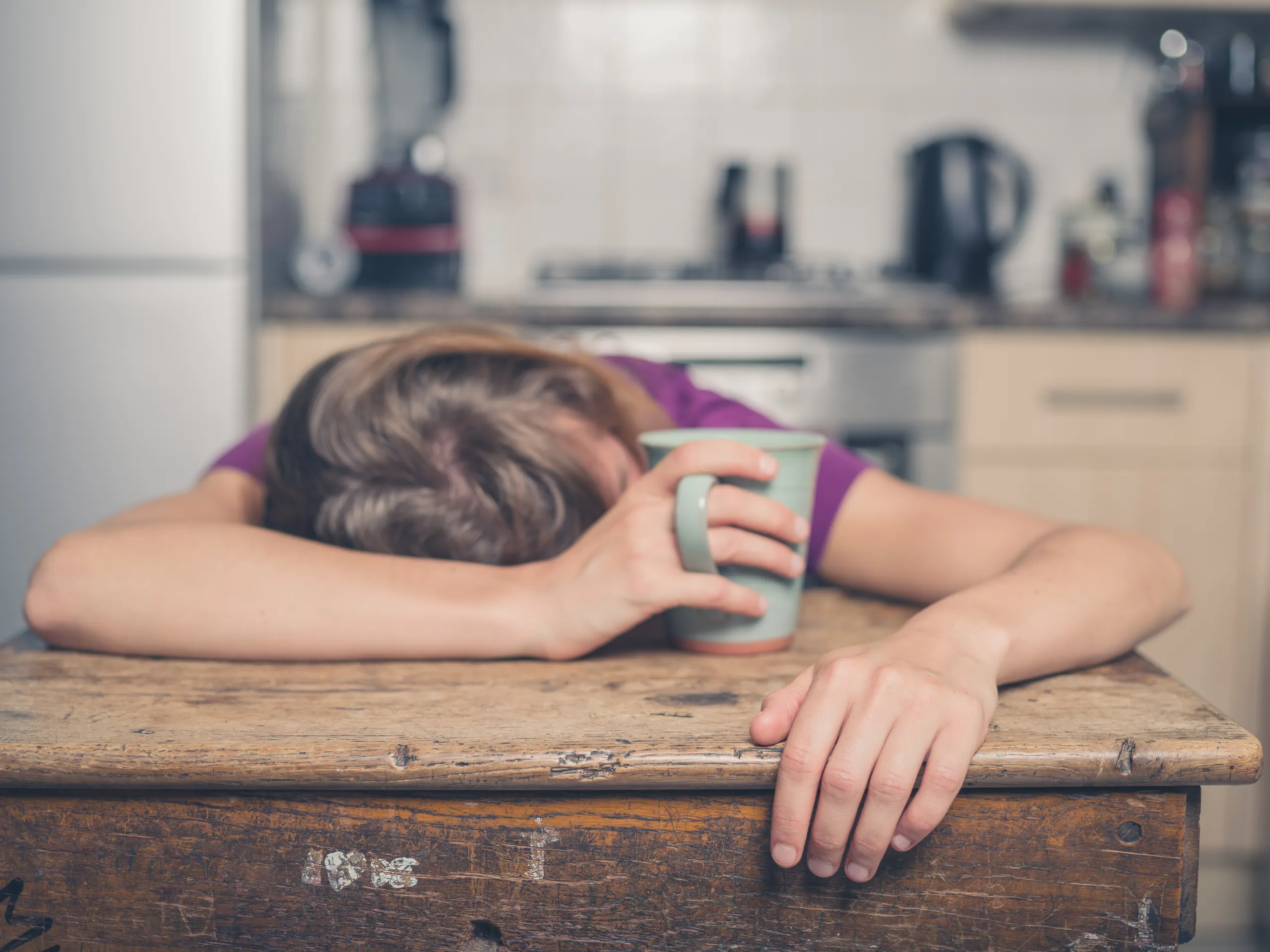
One of the most significant signs of sleep apnea is excessive daytime sleepiness. Individuals may find themselves feeling unusually tired during the day, regardless of how much sleep they believe they have had. This can lead to difficulties in concentration, decreased productivity, and even accidents while driving or operating machinery.

Daytime sleepiness is not merely a result of a busy lifestyle or lack of sleep; it can be a direct consequence of interrupted sleep cycles caused by sleep apnea. If excessive sleepiness persists despite adequate sleep duration, it is advisable to consult a healthcare professional.

Morning Headaches

Waking up with headaches is another sign that may indicate sleep apnea. These headaches can be attributed to decreased oxygen levels during the night, leading to increased carbon dioxide levels in the blood. This imbalance can trigger headaches upon waking, often accompanied by feelings of grogginess.

If morning headaches become a regular occurrence, it is essential to seek medical advice. A healthcare professional can evaluate the symptoms and recommend appropriate testing to determine if sleep apnea is the underlying cause.

Changes in Mood and Behaviour

Individuals with sleep apnea may experience significant changes in mood and behaviour. Irritability, anxiety, and depression can arise from the cumulative effects of poor sleep quality. The frustration of feeling tired and unable to function properly can exacerbate these feelings, creating a vicious cycle. Click here to find more about quality.

Recognising these emotional and behavioural changes as potential indicators of sleep apnea can help individuals take proactive steps towards seeking diagnosis and treatment. Mental health is closely linked to sleep quality, and addressing sleep issues can lead to improvements in overall well-being.

Seeking Help in Brisbane

If any of the signs mentioned above resonate, it is crucial to seek help from a healthcare professional in Brisbane. Many clinics and sleep specialists are available to provide comprehensive assessments and testing for sleep apnea. Early intervention can significantly improve quality of life and reduce the risk of associated health complications.

What to Expect During a Consultation

During a consultation, healthcare professionals will typically begin by discussing the patient’s medical history and any symptoms they may be experiencing. This initial assessment is crucial for determining the likelihood of sleep apnea and the need for further testing.

Patients may be asked to complete questionnaires regarding their sleep habits and daytime functioning. This information helps to build a clearer picture of the individual’s sleep patterns and any potential issues. Based on the findings, the healthcare provider may recommend a sleep study or suggest lifestyle changes as a first step.

Testing Options Available

In Brisbane, there are various testing options available for diagnosing sleep apnea. Home sleep testing has become increasingly popular, allowing individuals to undergo testing in the comfort of their own homes. This method is less invasive and often more convenient, although it may not be suitable for everyone.

For those requiring a more comprehensive assessment, in-lab sleep studies offer a detailed evaluation of sleep patterns and breathing. These studies are conducted in a controlled environment, providing accurate data for diagnosis and treatment planning.

Conclusion

Section Image

By understanding the importance of sleep health and the available testing options, individuals can take proactive steps towards better sleep and overall well-being. Sleep is a fundamental aspect of health, and addressing sleep apnea is essential for leading a healthier, happier life.

Home Sleep Study Brisbane: What Are the Benefits?

Sleep Apnea

In recent years, the understanding of sleep disorders has evolved significantly, leading to innovative solutions that cater to the needs of patients. Home sleep studies have emerged as a convenient and effective method for diagnosing sleep-related issues, particularly in Brisbane. This article explores the benefits of home sleep studies, highlighting their importance in the realm of sleep medicine.

Understanding Home Sleep Studies

Home sleep studies, also known as home sleep apnea tests (HSATs), are diagnostic tools designed to assess sleep patterns and identify potential sleep disorders, such as obstructive sleep apnoea (OSA). Unlike traditional sleep studies conducted in sleep labs, home sleep studies allow patients to undergo testing in the comfort of their own homes. This not only enhances the patient’s comfort but also provides a more natural sleep environment, which can lead to more accurate results. Many individuals find the prospect of sleeping in an unfamiliar lab setting daunting, which can inadvertently affect their sleep quality and the data collected during the study.

Home Sleep Study Brisbane

Home sleep study Brisbane represent a significant advancement in the diagnosis and management of sleep disorders, particularly in Brisbane. With their convenience, cost-effectiveness, and quick results, they offer an appealing alternative to traditional sleep studies for many patients. However, it is crucial to recognise their limitations and to seek professional guidance when considering a home sleep study.

How Home Sleep Studies Work

During a home sleep study, patients are provided with a portable monitoring device that tracks various physiological parameters while they sleep. These parameters often include breathing patterns, oxygen saturation levels, heart rate, and body movements. The data collected is then analysed by a qualified sleep specialist to determine the presence and severity of any sleep disorders. The devices used are typically user-friendly, with clear instructions to ensure that patients can set them up easily. Some advanced models even incorporate smartphone applications, allowing for real-time monitoring and feedback, which can enhance the overall experience and provide immediate insights into the patient’s sleep quality.

Read more at: Sleep Apnea Test Brisbane: Signs You Shouldn’t Ignore

Who Should Consider a Home Sleep Study?

Home sleep studies are particularly beneficial for individuals who exhibit symptoms of sleep disorders, such as loud snoring, excessive daytime sleepiness, or difficulty concentrating. They are also suitable for patients who may find it challenging to spend the night in a sleep lab due to anxiety, discomfort, or other personal reasons. Consulting with a healthcare professional can help determine if a home sleep study is the right choice. Additionally, those who have previously undergone a sleep study but did not receive conclusive results may find a home sleep study to be a more practical option. This method can also be a cost-effective alternative, as it often requires fewer resources than traditional lab-based studies, making it accessible to a wider range of patients. Furthermore, as awareness of sleep disorders grows, more individuals are recognising the importance of addressing their sleep health proactively, leading to increased interest in home sleep studies as a viable diagnostic tool.

The Benefits of Home Sleep Studies

Home sleep studies offer numerous advantages over traditional laboratory-based assessments. These benefits can significantly enhance the patient experience and lead to more accurate diagnoses.

Convenience and Comfort

One of the primary benefits of a home sleep study is the convenience it provides. Patients can sleep in their own environment, which often leads to a more natural and accurate representation of their sleep patterns. The familiar surroundings can reduce anxiety and improve the quality of sleep during the assessment, resulting in more reliable data.

Moreover, home sleep studies can be scheduled at the patient’s convenience, eliminating the need for lengthy waiting times often associated with laboratory testing. This flexibility can be particularly advantageous for those with busy lifestyles or family commitments. Find more about flexibility on https://webpath.med.utah.edu/TUTORIAL/LEARN/LEARN09.html

Cost-Effectiveness

Home sleep studies are generally more cost-effective than traditional sleep studies. The expenses associated with overnight stays in sleep clinics, including facility fees and additional testing, can add up quickly. In contrast, home sleep studies typically incur lower costs, making them a more accessible option for many patients.

Additionally, many health insurance plans cover home sleep studies, further reducing the financial burden on patients. This affordability can encourage individuals to seek diagnosis and treatment for sleep disorders, ultimately leading to improved health outcomes.

Quick Results and Diagnosis

Another significant advantage of home sleep studies is the speed at which results are obtained. Once the data is collected, it can be analysed relatively quickly, allowing healthcare providers to deliver diagnoses and treatment recommendations in a timely manner. This rapid turnaround can be crucial for patients suffering from sleep disorders, as timely intervention can lead to better management of symptoms and improved overall health.

Limitations of Home Sleep Studies

While home sleep studies offer numerous benefits, it is essential to acknowledge their limitations. Understanding these constraints can help patients make informed decisions regarding their sleep health.

Not Suitable for All Patients

Home sleep studies are not appropriate for everyone. Individuals with complex sleep disorders, such as central sleep apnoea or those who require continuous monitoring of additional parameters, may need to undergo traditional sleep studies in a clinical setting. Furthermore, patients with comorbid conditions or those who are unable to operate the monitoring equipment may also benefit more from a laboratory-based assessment.

Potential for Inaccurate Results

Although home sleep studies are effective for diagnosing common sleep disorders, they may not capture the full spectrum of sleep-related issues. Factors such as improper device placement, poor sleep quality, or external disturbances can lead to inaccurate results. Therefore, it is crucial for patients to follow the instructions provided by healthcare professionals carefully and to communicate any concerns regarding the testing process.

Preparing for a Home Sleep Study

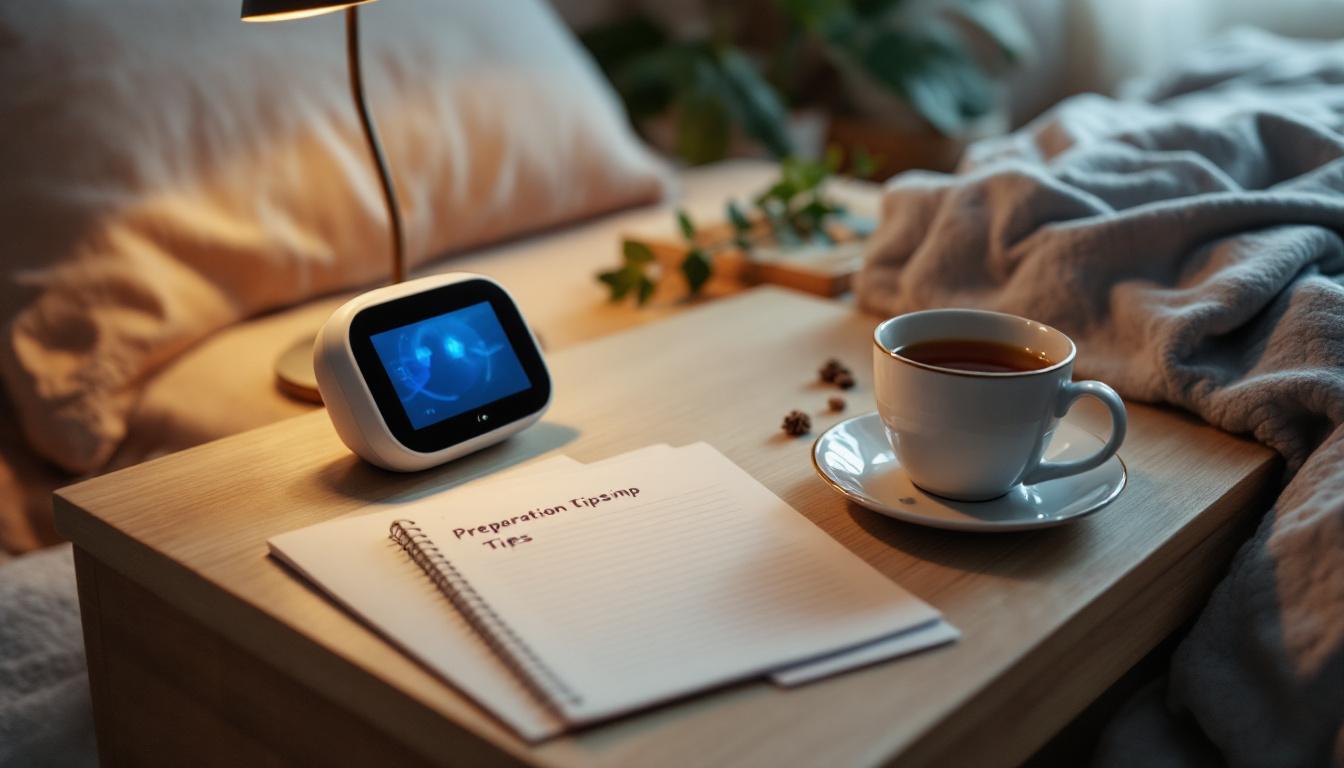
Preparation is key to ensuring the success of a home sleep study. By following specific guidelines, patients can enhance the accuracy of the results and contribute to a more effective diagnosis.

Section Image

Consultation with a Healthcare Provider

Before undergoing a home sleep study, it is essential to consult with a healthcare provider. During this consultation, the provider will assess the patient’s symptoms, medical history, and overall health to determine if a home sleep study is appropriate. They will also provide guidance on how to prepare for the study and what to expect during the process. Click here to find more about symptoms.

Device Setup and Instructions

Once a home sleep study is scheduled, patients will receive a portable monitoring device along with detailed instructions on how to set it up. It is crucial to follow these instructions carefully to ensure accurate data collection. Patients should familiarise themselves with the device, including how to attach sensors and operate any necessary components.

Creating a Sleep-Friendly Environment

To maximise the quality of sleep during the study, patients should create a sleep-friendly environment. This includes ensuring a comfortable sleeping area, minimising noise and light disturbances, and adhering to their regular sleep schedule as closely as possible. By prioritising a conducive sleep environment, patients can enhance the reliability of the data collected during the study.

Interpreting the Results

After the home sleep study is completed, the data will be analysed by a sleep specialist. Understanding the results is crucial for patients seeking effective treatment options for any identified sleep disorders.

What the Results Mean

The results of a home sleep study will typically indicate whether a patient has obstructive sleep apnoea or other sleep-related issues. The severity of the condition will also be assessed, providing valuable information for treatment planning. Patients should discuss the findings with their healthcare provider to gain a comprehensive understanding of their sleep health.

Next Steps Following Diagnosis

Depending on the results, various treatment options may be recommended. For those diagnosed with obstructive sleep apnoea, treatments can range from lifestyle changes, such as weight management and positional therapy, to the use of continuous positive airway pressure (CPAP) devices. In some cases, surgical interventions may be considered.

It is essential for patients to engage in open discussions with their healthcare providers about the most suitable treatment options based on their individual circumstances and preferences. Ongoing follow-up and monitoring may also be necessary to ensure the effectiveness of the chosen treatment plan.

Conclusion

By understanding the benefits and preparing adequately for the process, individuals can take proactive steps towards improving their sleep health. Ultimately, addressing sleep disorders can lead to enhanced quality of life, better overall health, and increased productivity during waking hours.