
Continuous Positive Airway Pressure (CPAP) therapy is the gold standard for treating Obstructive Sleep Apnea (OSA). However, the effectiveness of your treatment relies heavily on one critical component: your CPAP mask. For many Australians starting their journey toward better sleep, the sheer variety of interfaces can be overwhelming.
Whether you are a restless sleeper, a mouth breather, or someone with sensitive skin, finding a cpap mask that seals perfectly without causing discomfort is the difference between abandoned therapy and life-changing rest. This guide provides an expert deep dive into selecting, fitting, and maintaining the ideal interface for your lifestyle.
What is a CPAP Mask and Why Does it Matter?
A CPAP mask is the physical interface that delivers pressurized air from your CPAP machine into your airway. It acts as the final bridge in the therapy chain, ensuring that the splint of air keeps your upper airway open during sleep.
In the Australian clinical landscape, patient compliance is the primary metric for success. If a mask leaks, causes pressure sores, or feels claustrophobic, a patient is significantly more likely to discontinue treatment. Modern engineering has moved away from the “one size fits all” bulky designs of the past, focusing instead on lightweight materials, minimal contact points, and quiet exhalation ports.
Types of CPAP Masks: Finding Your Perfect Fit
Understanding the three primary categories of cpap masks is the first step in narrowing down your search. Each design serves a specific breathing style and pressure requirement.
1. Full-Face CPAP Masks
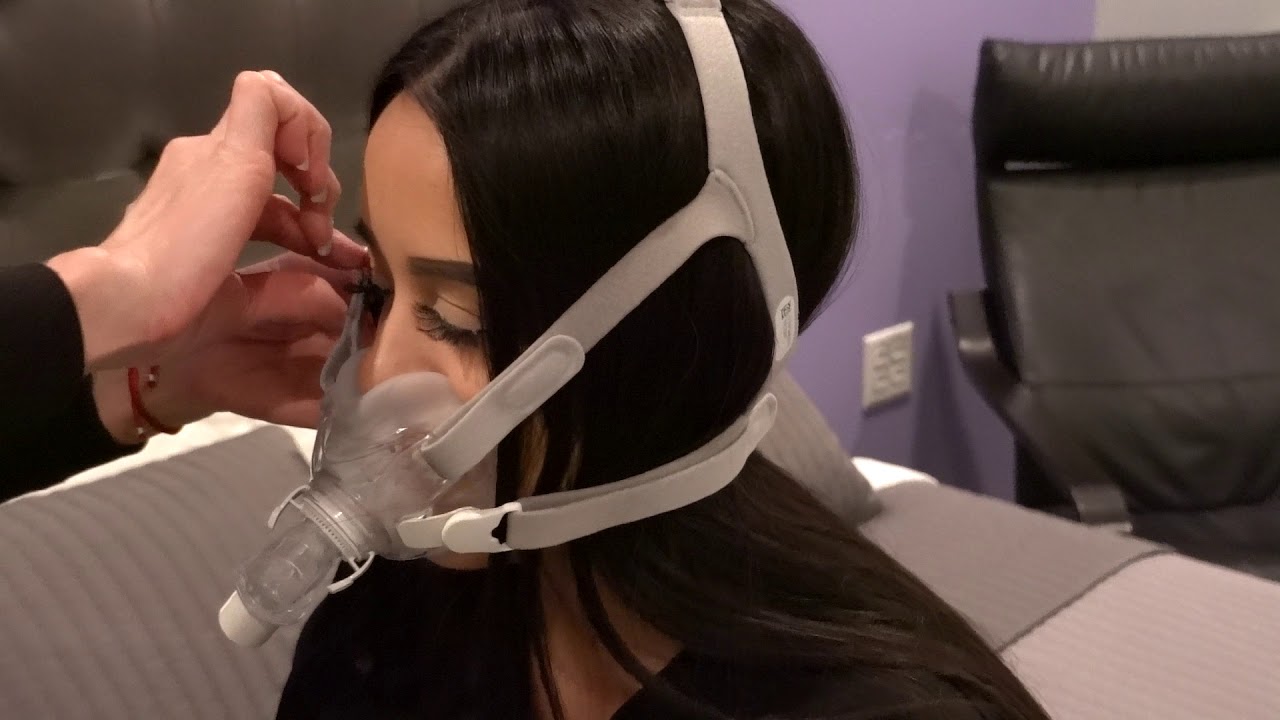
Full-face masks cover both the nose and the mouth. These are the most common choice for “mouth breathers” or individuals who suffer from chronic nasal congestion.
- Best for: High-pressure settings, people with deviated septums, or those who breathe through their mouth at night.
- Pros: Robust seal; prevents air from escaping through the mouth.
- Cons: Bulkier; can limit visibility for reading or watching TV.
2. Nasal CPAP Masks
A nasal mask covers the nose from the bridge to the upper lip area. It delivers a more natural airflow than pillows but is less intrusive than a full-face mask.
- Best for: Side sleepers and those who want a reliable seal at moderate-to-high pressures.
- Pros: Good balance of comfort and stability.
- Cons: Not suitable for mouth breathers unless paired with a chin strap.
3. Nasal Pillow Masks
These are the most minimalist cpap masks available. They feature small silicone “pillows” that rest at the entrance of the nostrils.
- Best for: Active sleepers, people with facial hair, and those who feel claustrophobic in larger masks.
- Pros: Maximum field of vision; minimal contact with the face.
- Cons: Can be uncomfortable at very high pressure settings.
Key Benefits of a Well-Fitted CPAP Mask
Choosing the correct interface goes beyond simple comfort. It directly impacts the physiological outcomes of your therapy.
- Improved Therapy Efficacy: A proper seal ensures the machine maintains the prescribed pressure (measured in $cmH_2O$), preventing apneas.
- Reduced Side Effects: Proper fitting eliminates “air leaks” which often blow into the eyes, causing dryness and irritation.
- Enhanced Sleep Quality: When you aren’t fighting with your mask, you reach deeper stages of REM and Slow Wave Sleep.
- Skin Integrity: High-quality medical-grade silicone or memory foam cushions prevent “mask burn” and pressure ulcers.
How to Choose the Right CPAP Mask: A Step-by-Step Framework
Selecting a mask shouldn’t be a guessing game. Follow this clinical framework used by Australian sleep technicians to find your match.
Step 1: Determine Your Breathing Style
Do you wake up with a dry mouth? If so, you are likely a mouth breather and should prioritize a full-face cpap mask. If you breathe strictly through your nose, a nasal pillow or nasal mask is often more comfortable.
Step 2: Consider Your Sleeping Position
- Side Sleepers: Look for masks with “soft-frame” technology or low-profile designs that won’t dislodge when pressed against a pillow.
- Stomach Sleepers: Nasal pillows are usually the only viable option due to their minimal footprint.
- Back Sleepers: Almost any mask style works well, allowing you to prioritize seal over profile.
Step 3: Check the Pressure Requirements
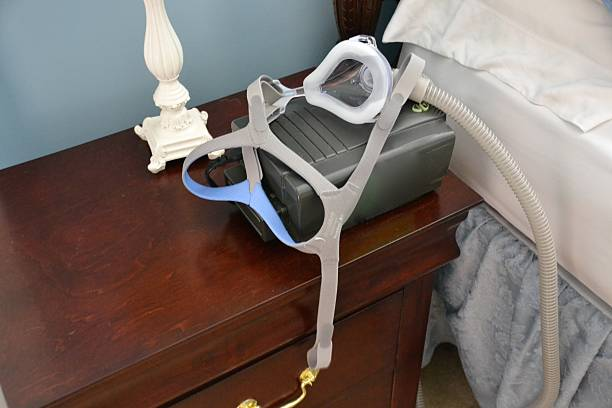
If your prescribed pressure is above $15 cmH_2O$, a nasal pillow may cause irritation in the nostrils. A full-face or nasal mask distributes that pressure over a larger surface area, making it more tolerable.
Step 4: Measuring for Size
Most manufacturers provide printable sizing gauges. Use these to measure the width of your nose and the distance from your bridge to your philtrum (the notch under your nose).
| Mask Type | Ideal Facial Structure | Primary Benefit |
| Full-Face | Wide nose or mouth | Versatility for congestion |
| Nasal | Standard bridge | Stability at high pressure |
| Pillows | Facial hair / Glasses wearers | Minimalist / Open view |
Best Practices for Mask Maintenance and Longevity
In the Australian climate, humidity and skin oils can degrade silicone quickly. To ensure your cpap mask lasts its full 6–12 month lifespan, follow these hygiene protocols:
- Daily Clean: Wipe the cushion with a damp cloth or specialized CPAP wipe to remove facial oils.
- Weekly Deep Clean: Submerge the mask (excluding headgear) in warm, soapy water (using fragrance-free dish soap).
- Replace Parts Regularly: Cushions should typically be replaced every 3–6 months as the silicone softens and loses its sealing ability.
- Avoid Harsh Chemicals: Never use bleach, alcohol, or moisturizers on your mask, as these will break down the material and may irritate your lungs.
Common Mistakes to Avoid
- Overtightening the Headgear: Many users tighten the straps to stop a leak. This actually collapses the “air cushion” inside the mask, making the leak worse and causing pain. The mask should “float” on your face.
- Using an Old Cushion: Silicone is a porous material. Over time, it absorbs oils and becomes “tacky,” leading to skin breakouts and poor seals.
- Ignoring the Ramp Feature: If the air pressure feels too intense when you first put the mask on, use your machine’s “Ramp” setting to start at a lower pressure while you settle in.
Frequently Asked Questions (FAQ)
What is the most comfortable CPAP mask for side sleepers?
Nasal pillow masks or nasal masks with a “top-of-head” tube connection are generally best for side sleepers, as they allow for more movement without the hose being caught or the mask being pushed out of place.
How often should I replace my cpap mask in Australia?
Most Australian sleep clinicians recommend replacing the entire mask every 6 to 12 months. However, the silicone cushion—the part that touches your skin—should be replaced every 3 to 6 months for hygiene and seal integrity.
Why is my CPAP mask leaking air into my eyes?
This usually indicates that the mask is too large or the top straps are too loose. It can also happen if the cushion is old and has lost its shape. Adjusting the forehead support (if applicable) can often resolve this.
Can I use a CPAP mask with a beard?
Yes. Men with facial hair often find that nasal pillows work best because they seal at the nostril entrance, bypassing the hair. If a full-face mask is needed, look for models with deep, soft silicone skirts or memory foam cushions.
How do I know if my CPAP mask is the right size?
The mask should feel snug but not painful. There should be no significant air leaks at your therapy pressure. If you have to tighten it to the point of discomfort to stop a leak, you likely have the wrong size or style.
Conclusion
Finding the right cpap mask is the most significant hurdle in successfully treating sleep apnea. By understanding your breathing habits, choosing a style that suits your sleeping position, and maintaining your equipment properly, you can ensure a comfortable and effective therapy experience.