The good news is that diagnosis does not have to take months. With the right pathway, most people can move from suspicion to testing to treatment quickly, and often without an overnight hospital stay.
What is a sleep apnoea test, and what does it diagnose?
A sleep apnoea test Brisbane measures breathing patterns, oxygen levels, and sleep activity to determine if someone has obstructive sleep apnoea (OSA) or another sleep-related breathing disorder. The test also assesses the severity of the condition, which helps guide treatment decisions.
The test typically looks for repeated breathing pauses (apnoeas) and partial blockages (hypopnoeas). The key outcome is an AHI (Apnoea-Hypopnoea Index) or REI (Respiratory Event Index), which indicates the number of events per hour.
Who in Brisbane should consider getting tested sooner rather than later?
Anyone with loud habitual snoring, witnessed pauses in breathing, gasping during sleep, or persistent daytime sleepiness should consider testing promptly. They are especially likely to benefit if symptoms affect work, driving, mood, or blood pressure.
Brisbane patients often speed up diagnosis by acting on “risk clusters” like obesity, large neck circumference, nasal blockage, alcohol use at night, and a family history of OSA.
How can someone in Brisbane get diagnosed faster without cutting corners?
They can move faster by choosing the shortest safe pathway: a screening consult, the right test type, and rapid follow-up for results and treatment. The biggest delays usually come from waiting for the wrong appointment or repeating tests that do not match the situation.
In practice, this means being clear about symptoms, asking about home testing eligibility, and booking follow-up at the same time as the test.
What are the fastest test options available in Brisbane?
The fastest option for many adults is a home sleep apnoea test (HSAT), also called a level 3 study. It is typically picked up or delivered, used overnight at home, then returned for scoring.
An in-lab polysomnography (PSG) is more comprehensive and is often used when symptoms are complex, when other sleep disorders are suspected, or when earlier testing is inconclusive. It can be faster in urgent cases, but availability varies.
When is a home sleep test appropriate, and when is a lab study better?
A home sleep test is often appropriate for adults with a high likelihood of moderate to severe obstructive sleep apnoea and no major complicating conditions. It is usually the quickest route to a clear diagnosis.
A lab study is generally better if they have significant heart or lung disease, possible central sleep apnoea, suspected parasomnias, severe insomnia, neuromuscular conditions, or if a home test comes back negative despite strong symptoms.
How do referrals work in Brisbane, and do they always need a GP?
Many Brisbane services accept GP referrals, and a referral can help with Medicare rebates or private health processing where applicable. It also creates a clearer clinical record, which can speed up treatment decisions.
Some clinics also offer direct access pathways where they triage symptoms first, then advise whether a referral is needed. If they want the fastest route, they should ask the clinic what paperwork is required before booking.
What information should they bring to their first appointment to avoid delays?
They should bring a short symptom timeline, partner observations, medication list, and relevant medical history such as hypertension, diabetes, atrial fibrillation, reflux, asthma, or nasal obstruction. This helps the clinician choose the correct test the first time.
It also helps to note lifestyle factors that affect sleep, including alcohol intake, shift work, sedatives, and typical sleep schedule. Clear details reduce back-and-forth and repeat consultations.
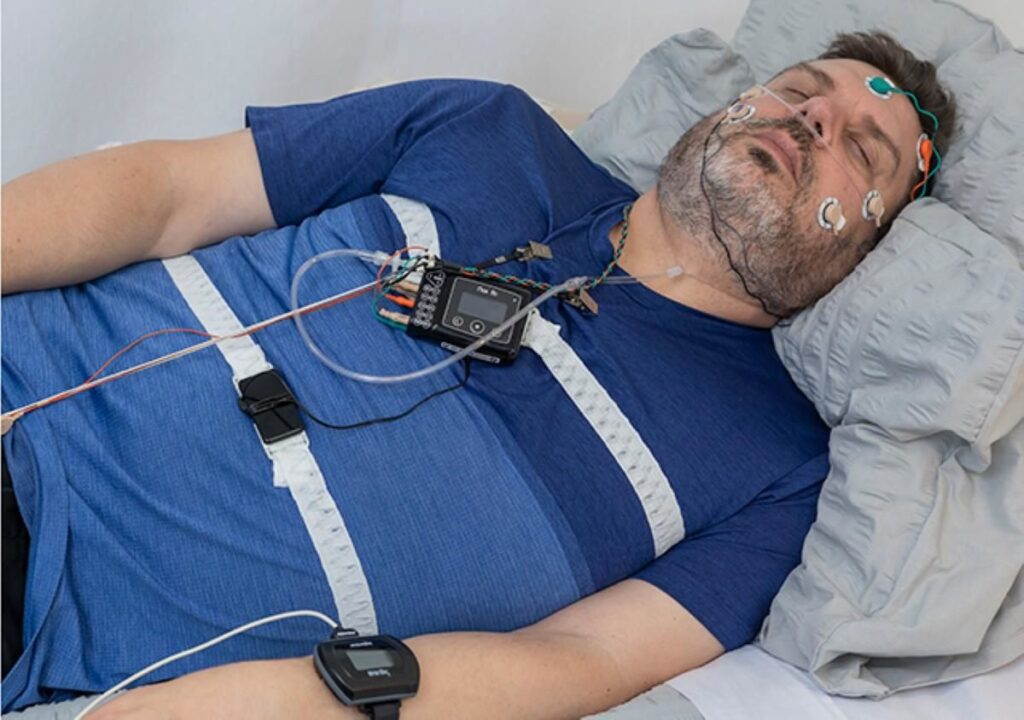
What happens during a home sleep apnoea test?
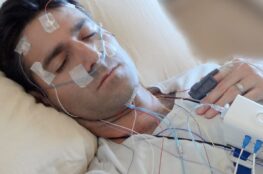
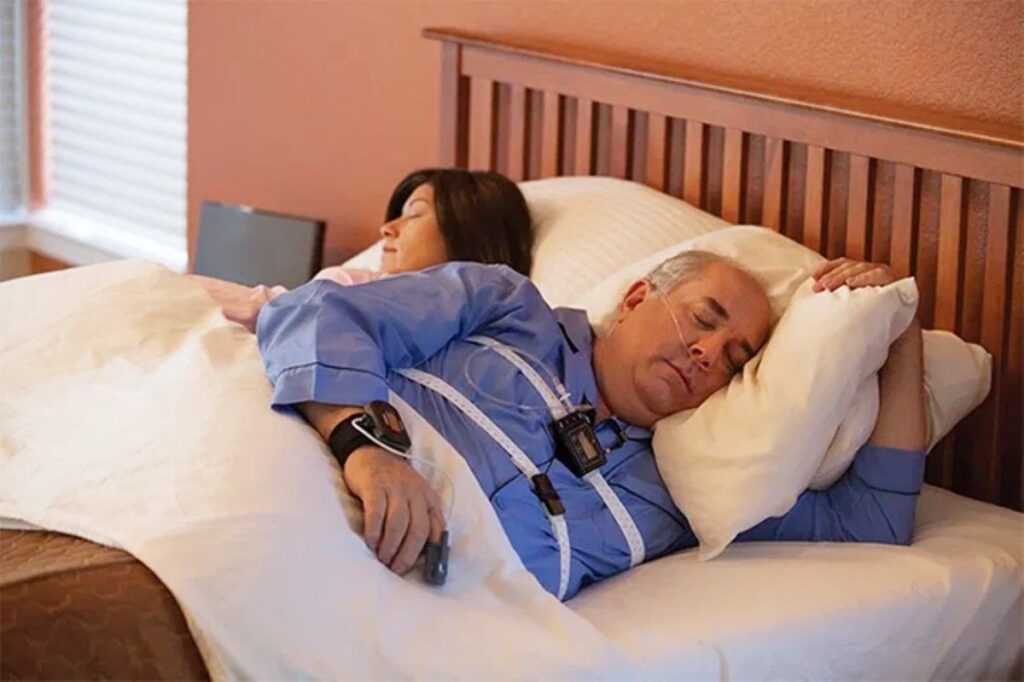
They usually collect a small kit with sensors for airflow, breathing effort, oxygen saturation, and sometimes body position. They apply it before bed, sleep as normal, then return the device the next day.
Because it is done in their own bed, many people sleep more naturally. If sensors slip overnight, the clinic may ask them to repeat the study, so careful set-up matters.
How quickly can results come back, and what slows them down?
Results can be available within a few days, depending on clinic workload and whether manual scoring is required. The fastest services schedule the results consultation in advance, so they do not wait again after the report is ready.
Delays commonly come from incomplete data, missed returns of equipment, and waiting for the next available specialist appointment. Booking the follow-up early is often the single biggest time-saver.
What should they do if the test is negative but symptoms are strong?
They should not assume nothing is wrong. A negative home study can happen if they slept poorly, if events were positional, or if a different sleep disorder is present.
In that case, the next step is often an in-lab polysomnography or a repeat study with adjustments. The fastest approach is to book a review appointment immediately to interpret the result in context.
What are the next steps after diagnosis, and how can they start treatment faster?
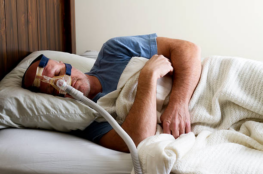
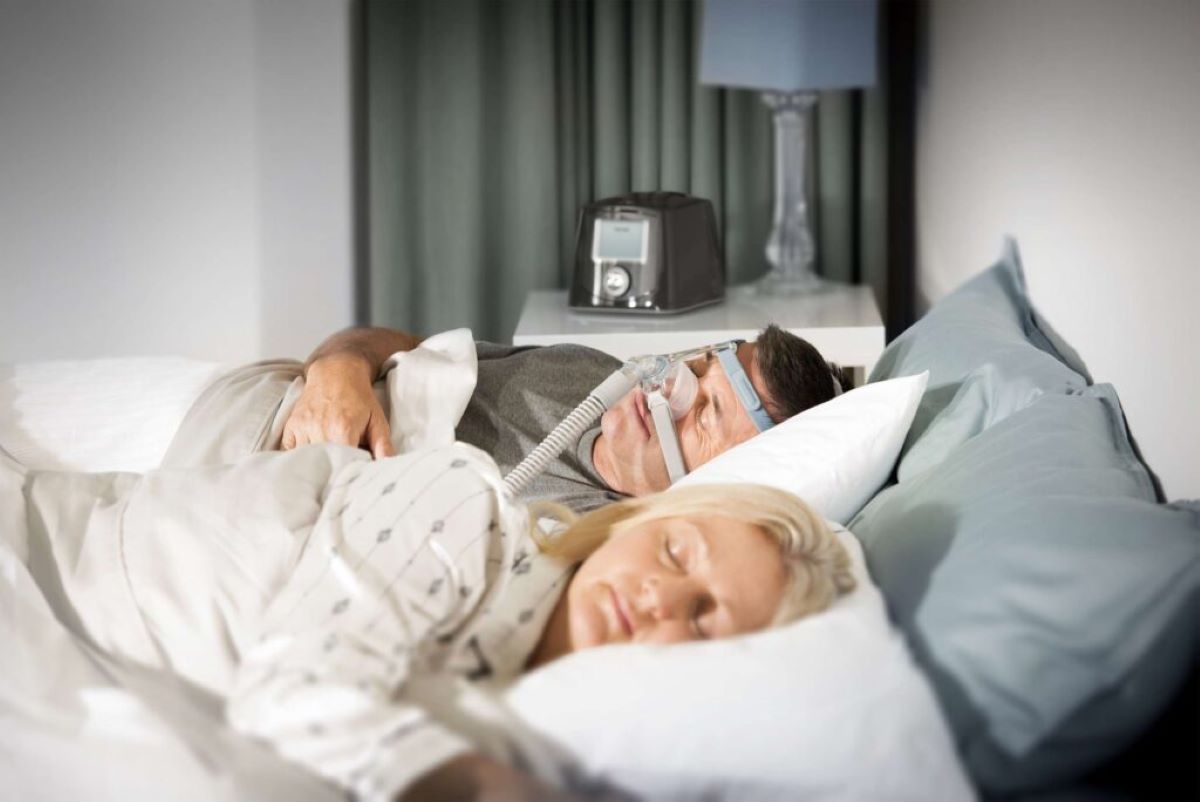
They can usually start treatment quickly once severity and type are confirmed. For obstructive sleep apnoea, options include CPAP therapy, mandibular advancement splints, positional therapy, weight management, and addressing nasal obstruction.
Speed improves when they ask for a same-week CPAP trial or set-up if recommended, and when they request a clear plan for mask fitting, pressure settings, and follow-up support. Click here to get more about sleep apnea test Canberra: symptoms you shouldn’t ignore.
How can they make the process smoother if driving safety or work performance is affected?
They should mention safety-critical symptoms early, especially if they have near-misses while driving or extreme sleepiness at work. Clinics can sometimes prioritise testing or recommend interim measures while waiting.
They can also reduce risk immediately by avoiding alcohol at night, keeping a consistent sleep schedule, sleeping on their side, and not driving when sleepy. These steps are not a substitute for diagnosis, but they can help while the system catches up.
What is the quickest checklist for getting a sleep apnoea test in Brisbane?
They can move faster by following a simple sequence and booking proactively. Most delays are administrative, not medical.
Fast-track checklist:
- Write down symptoms, duration, and partner observations.
- Contact a Brisbane sleep clinic and ask if they qualify for a home sleep test.
- Confirm whether a GP referral is needed for rebates or booking.
- Book the test and the results appointment at the same time.
- Follow set-up instructions carefully to avoid a failed recording.
- Ask about immediate treatment pathways if OSA is confirmed.
FAQs (Frequently Asked Questions)
What is a sleep apnoea test and what conditions does it diagnose?
A sleep apnoea test measures breathing patterns, oxygen levels, and sleep stages to diagnose obstructive sleep apnoea (OSA) or other sleep-related breathing disorders. It identifies repeated pauses in breathing (apnoeas) and partial airway blockages (hypopnoeas), providing an AHI or REI score that helps determine the severity and guides treatment options.
Who in Brisbane should consider getting a sleep apnoea test promptly?
Individuals experiencing loud habitual snoring, witnessed breathing pauses during sleep, gasping episodes, or persistent daytime fatigue should consider testing soon. Those with risk factors like obesity, large neck circumference, nasal blockage, nighttime alcohol use, or a family history of OSA are especially encouraged to seek assessment to prevent impacts on work, driving safety, mood, and blood pressure.
How can someone in Brisbane get diagnosed with sleep apnoea quickly without compromising quality?
To expedite diagnosis safely, patients should choose the shortest effective pathway: start with a screening consultation, select the appropriate test type (often a home sleep apnoea test), and schedule rapid follow-up appointments for results and treatment planning. Being clear about symptoms and eligibility for home testing while booking follow-ups simultaneously helps avoid unnecessary delays or repeat testing.
What are the fastest sleep apnoea testing options available in Brisbane?
The quickest option for many adults is a home sleep apnoea test (HSAT), also known as a level 3 study. This involves using portable sensors overnight at home and returning the device for scoring. In-lab polysomnography (PSG) is more comprehensive and used when symptoms are complex or other disorders are suspected; while sometimes faster for urgent cases, its availability varies.
When is a home sleep test suitable compared to an in-lab polysomnography?
Home sleep tests are appropriate for adults likely to have moderate to severe obstructive sleep apnoea without significant complicating health issues. They offer the quickest route to diagnosis. Conversely, in-lab studies are preferred if there are serious heart or lung conditions, suspected central sleep apnoea, parasomnias, severe insomnia, neuromuscular diseases, or if initial home testing is negative despite strong symptoms.
How do referrals work for sleep apnoea testing in Brisbane—do you always need a GP referral?
Many Brisbane clinics accept GP referrals which can assist with Medicare rebates and private health claims while creating clear clinical records that speed treatment decisions. However, some clinics provide direct access pathways by triaging symptoms first to determine if a referral is necessary. Patients seeking the fastest route should check with their chosen clinic regarding required paperwork before booking appointments.